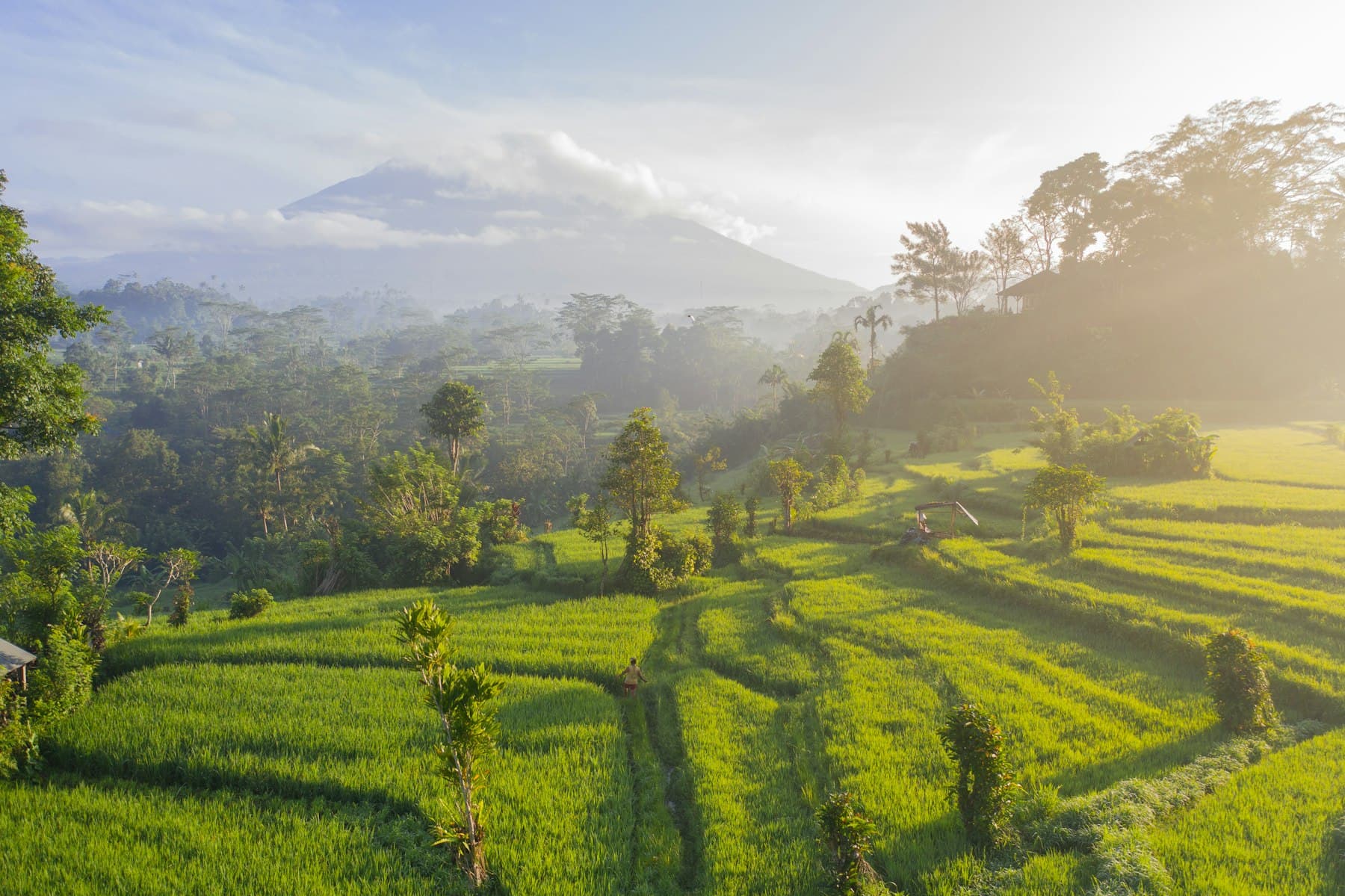
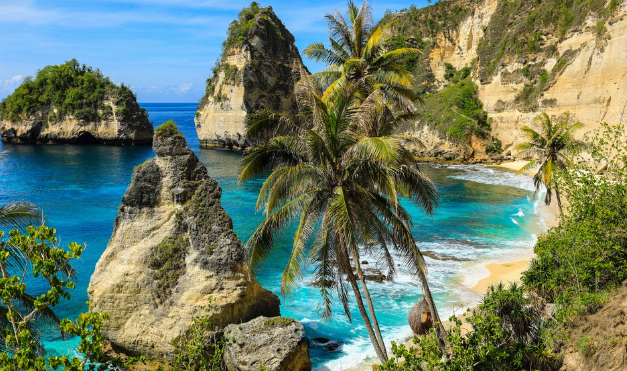
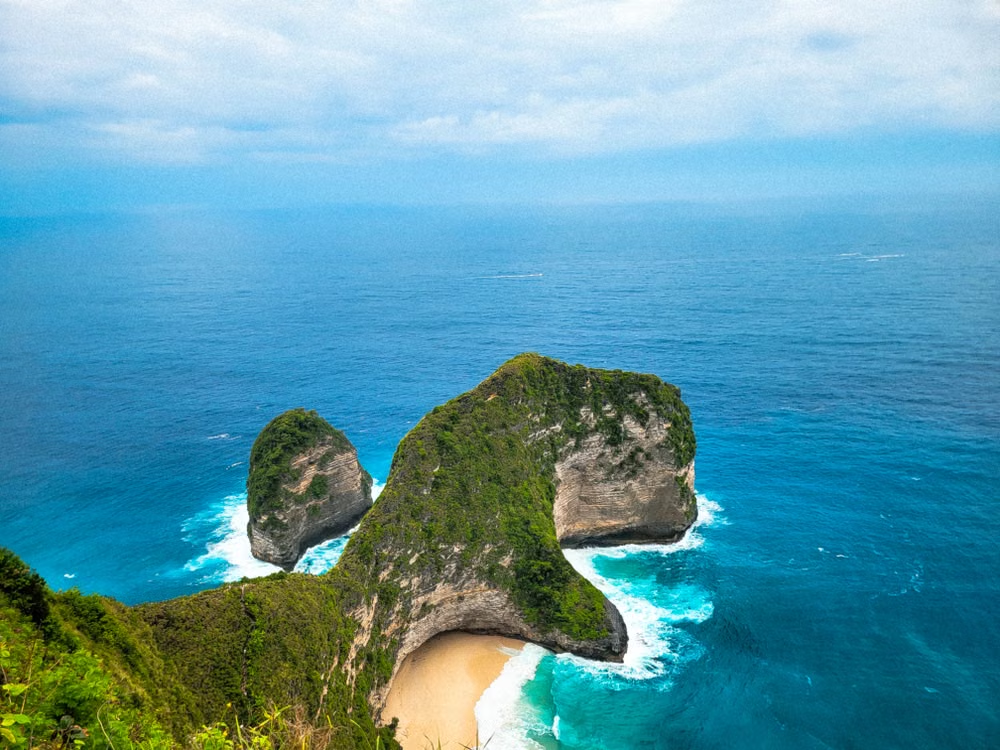
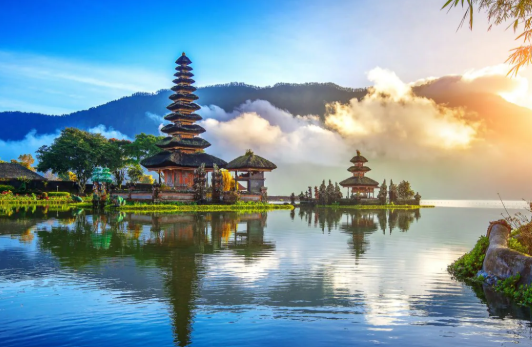
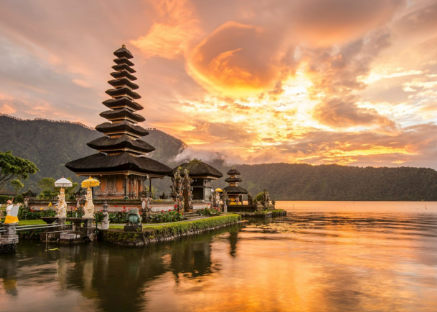
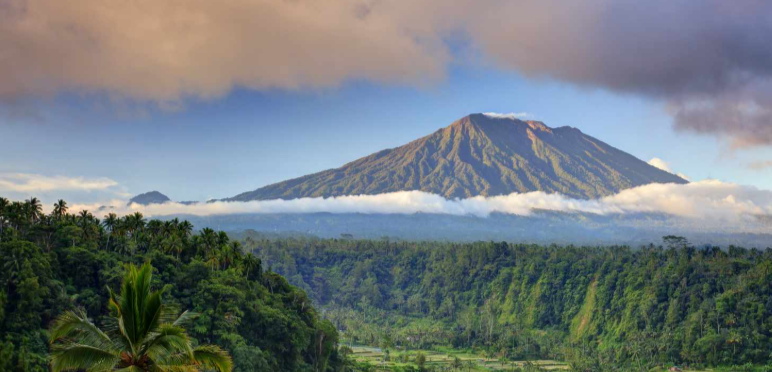
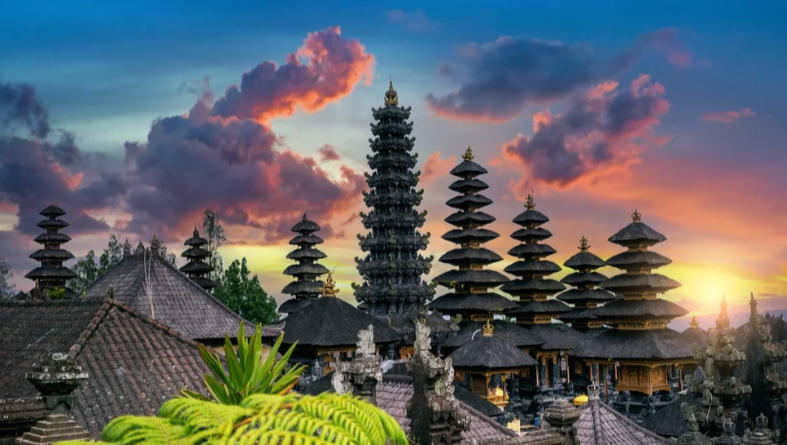
Bali does something specific to a particular kind of traveller. It confirms what they already half-believed about themselves: that they are spiritual, that they are unhurried, that they belong somewhere warmer and slower than wherever they came from. It is exceptionally good at this. The ceremonies are real. The rice terraces are genuinely beautiful. The ritual architecture in Ubud puts you in a different register of attention. That is not manufactured. The question is whether the trip you take actually gets you close to any of it, or whether you spend twelve days in a villa that could be in Goa, eating at restaurants with Hindi menus, surrounded by other people from Delhi and Mumbai having more or less the same holiday.
In thirty years of working in travel, from ITC Hotels to building AxisRooms across South Asia, I have watched Bali become the single most aspirational destination for the Indian leisure market. That brings real crowds to specific parts of the island, particularly Seminyak, Legian, and the Kuta corridor. It does not mean Bali is finished. It means you need to be more deliberate about which Bali you are going to. The northwest around Pemuteran, the east coast at Amed and Tirtagangga, the upland villages in the Kintamani and Bedugul regions: these places have not been smoothed into international comfort yet.
What Bali genuinely does well, better than almost anywhere in Asia, is hold a sense of the sacred in everyday life without turning it into a show. Offerings are placed three times a day in front of every home, every shop, every guesthouse. Ceremonies close roads and change plans without apology. If you can slow down enough to notice that, and to let it interrupt your schedule rather than working around it, Bali will give you something most destinations cannot. If you cannot, it will give you a very attractive Instagram account.